Watercolor Daisy Clipart: The Secret to a Cohesive Brand
You know the feeling. You’re scrolling through a competitor’s Instagram feed or browsing their website, and everything just clicks. The visuals are soft, inviting, and unmistakably them. It feels less like a business and more like a curated experience. Often, that seamless aesthetic isn’t about a massive budget or a full-time designer on staff. It’s about having the right foundational assets—like a versatile, high-quality set of watercolor illustrations—that can be woven through every single touchpoint of your brand.
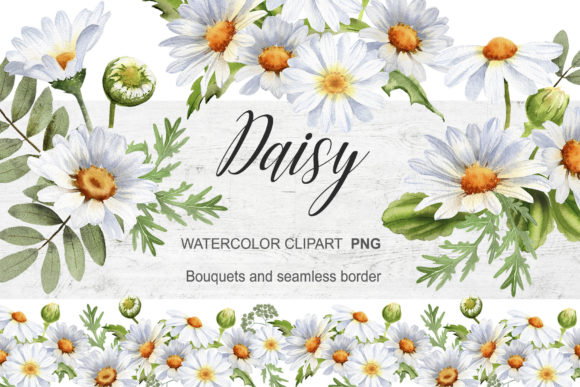
Let’s talk about one such asset that has become a quiet powerhouse for creators and entrepreneurs: the Watercolor Daisy Clipart Chamomile collection. This isn’t just a random bundle of pretty flowers. It’s a carefully hand-painted set of botanical illustrations designed for real-world application. We’re talking about seven distinct bouquets and a repeating border, all saved as high-resolution 300 dpi PNGs with transparent backgrounds. That technical detail is crucial. It means these aren’t clunky, hard-edged graphics. They’re delicate, realistic chamomile blooms and daisies that can be layered, resized, and combined without ever looking out of place.
More Than Just a Pretty Picture: The Anatomy of a Useful Asset
What makes this particular watercolor daisy clipart so effective for professional projects? First, it’s the realism. These are hand-painted botanical illustrations, not vectorized, sterile shapes. You get the subtle wash of color, the natural variation in petal edges, and the organic feel that only comes from a real paintbrush. This authenticity translates into trust for your audience. A bakery using these on its packaging communicates artisanal care. A wedding planner’s website adorned with these bouquets feels inherently romantic and detailed.
Second is the format. Transparent PNGs are the workhorse of digital design. They allow you to place a delicate chamomile stem over a photo, a textured background, or a colored block without a distracting white box around it. The 300 dpi resolution ensures they look crisp and professional whether they’re printed on a wedding invitation at 5x7 inches or displayed as a header graphic on a retina screen. This collection is built for both the digital planner and the printable home decor enthusiast.
Practical Magic: Weaving Daisies into Your Visual Language
So, how do you move from having a beautiful asset to actually using it to build a brand? The key is intentionality. Don’t just sprinkle flowers everywhere. Use the bouquets and borders to create a system.
Think about your logo design. While you might not use a full bouquet as your primary mark, you could extract a single, iconic chamomile stem to use as a standalone symbol or a delicate underline for your wordmark. This creates a unique, ownable element that’s far more distinctive than a generic icon.
For packaging design, the repeating border is pure gold. Imagine it wrapping around a box of organic teas, a line of handmade soops, or a set of artisanal candles. It immediately establishes a cohesive, nature-inspired aesthetic. Use a single bloom as a wax seal stamp or a small accent on a thank-you card. The consistency across your packaging builds instant brand recognition.
On social media graphics, these illustrations prevent your feed from looking like a stock photo graveyard. Use a subtle bouquet in the corner of an Instagram story template. Create a series of quote graphics where the text is framed by a delicate daisy border. The watercolor style adds a soft, human touch that cuts through the digital noise, increasing audience engagement because it feels personal and crafted.
From Digital Screens to Physical Touchpoints
The versatility of this collection shines in its application range. For web design, use a horizontal repeating border as a subtle divider between sections on your homepage. Let a single daisy bloom float near your blog post titles. This adds visual interest without compromising readability or slowing down your site.
When it comes to print materials, the possibilities expand. Designers and small business owners can create stunning wedding invitations, save-the-dates, and menu cards that feel bespoke. The same assets can then be used for the matching digital planner stickers, creating a full suite for the client. For editorial layouts in magazines or lookbooks, a watercolor header or a spot illustration can break up text-heavy pages and guide the reader’s eye.
For the entrepreneur selling on platforms like Etsy or Shopify, this clipart is a direct path to product creation. Use the elements to design printable home decor art prints, greeting cards, or party invitations. The high-resolution files are also perfect for sublimation designs on mugs, t-shirts, and tote bags, opening up entire new revenue streams.
Building a Cohesive Brand Identity, One Petal at a Time
The real power of a dedicated asset like the Watercolor Daisy Clipart Chamomile set is its ability to foster visual consistency. When you use the same hand-painted style, the same color palette inherent in the illustrations, across your website, your Etsy shop banners, your Instagram highlights, and your product tags, you’re building a brand identity that’s instantly recognizable.
This consistency does more than just look good. It builds brand recognition. Your audience starts to associate that soft, botanical aesthetic with your business. It enhances professional presentation. Every piece of communication, from a invoice to a Facebook ad, feels considered and part of a whole. Ultimately, it drives audience engagement because your visual world is inviting, memorable, and cohesive.
A final, crucial piece of advice: always review the commercial licensing of any design asset you purchase. Ensure it covers your intended use, whether that’s for client work, printed merchandise, or digital products. This protects you and allows you to use these beautiful daisies to their full potential, transforming them from simple clipart into a cornerstone of your creative business.